
Resinotype Mastery: An Alternative Photography Video Course
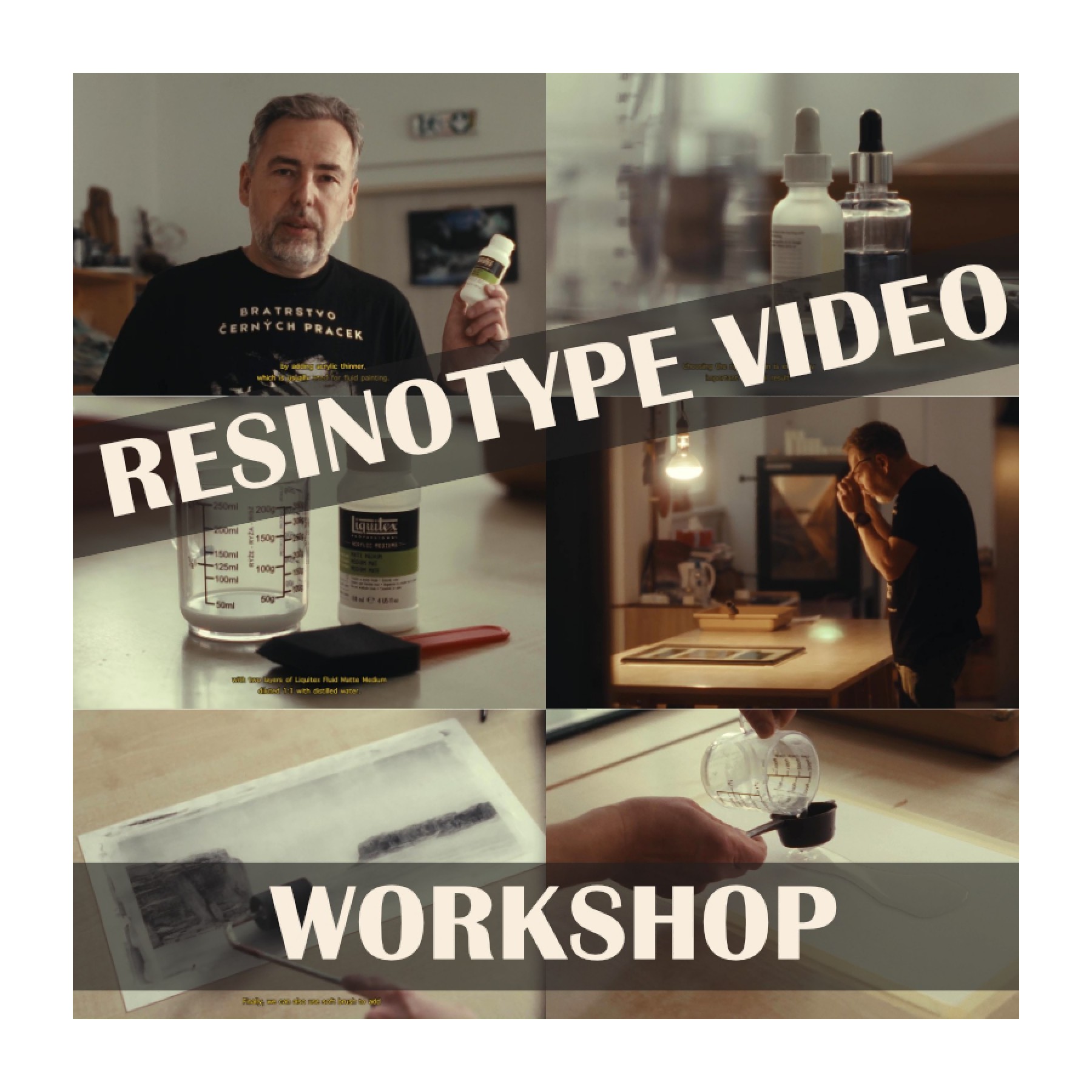
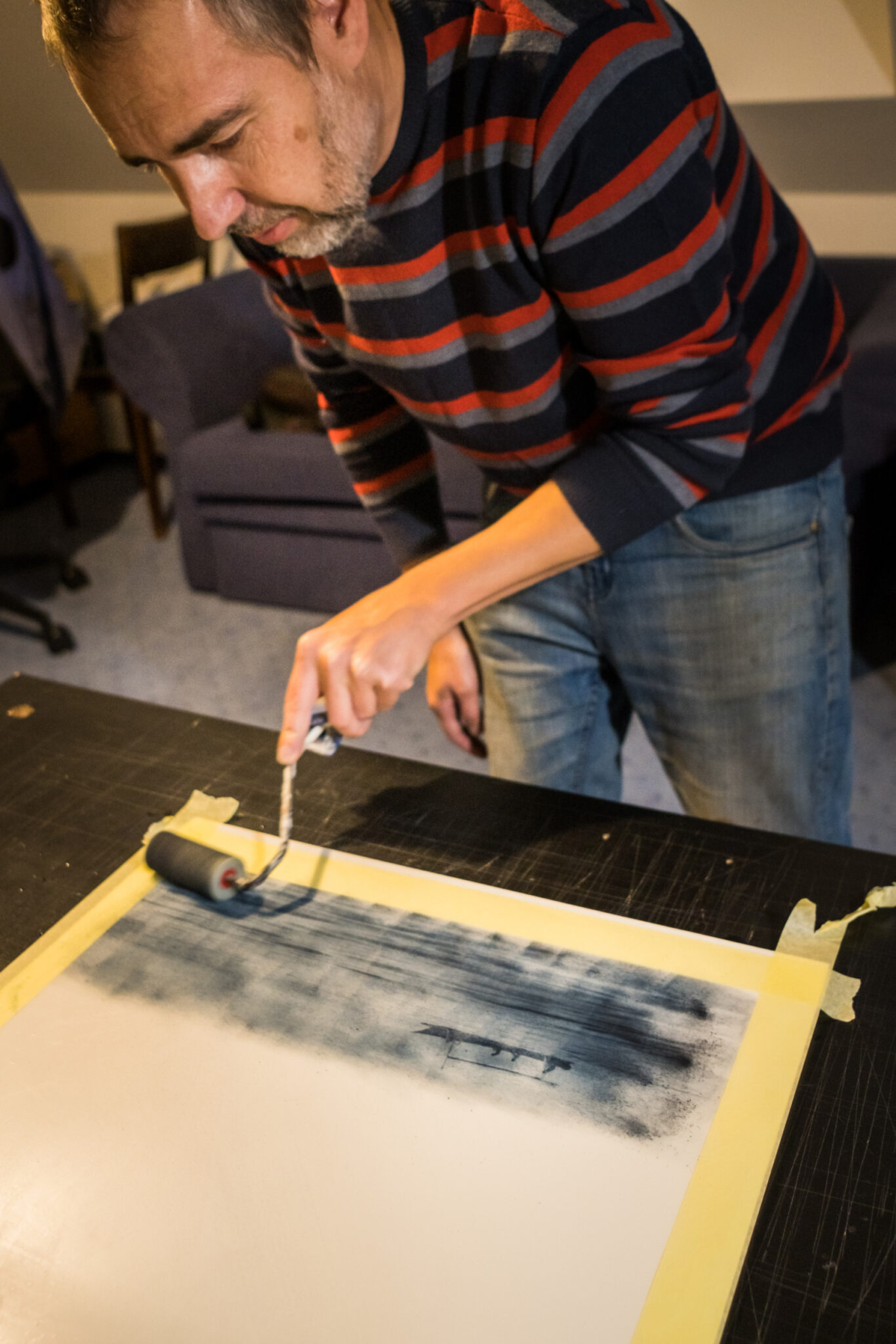
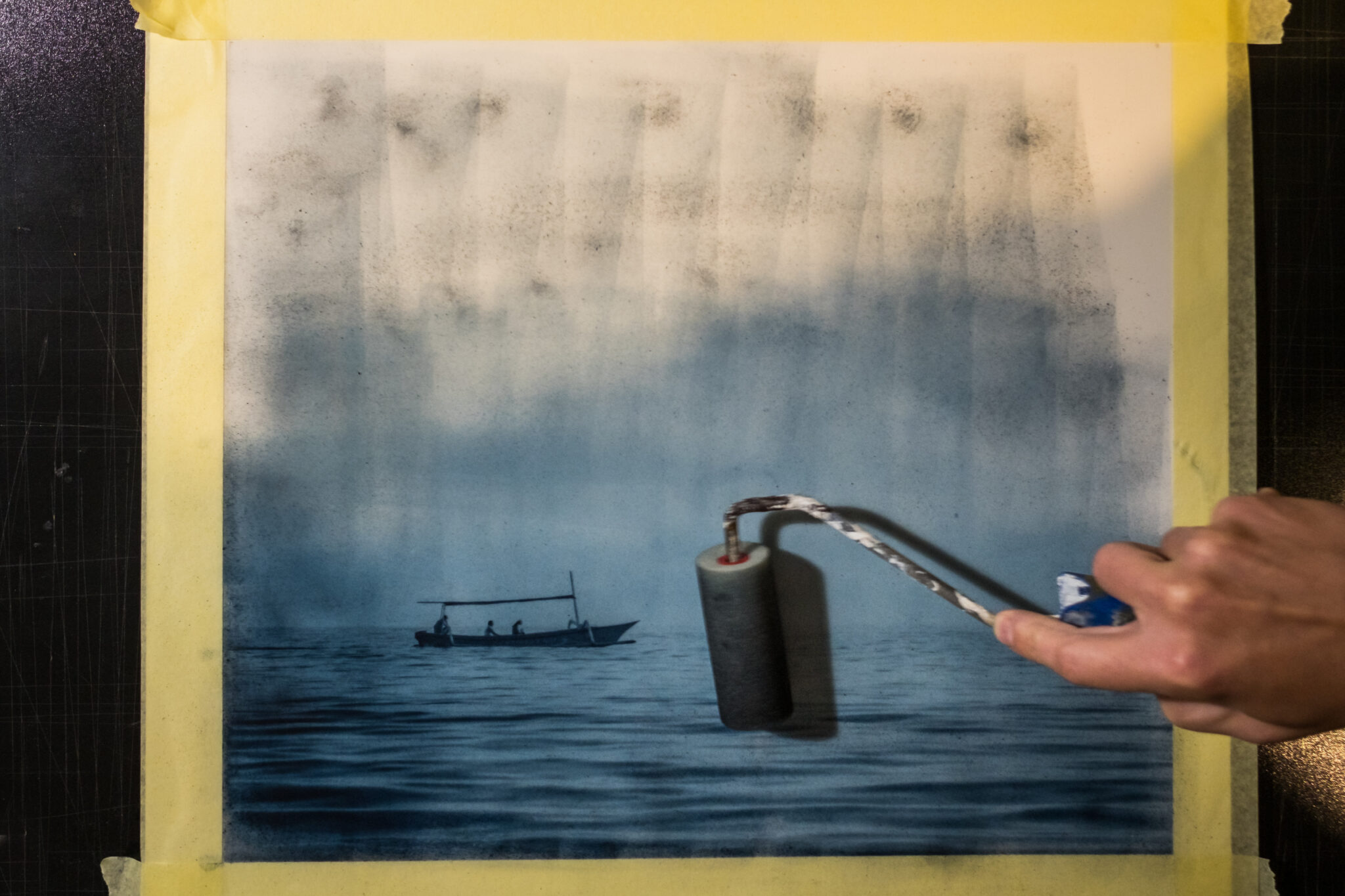
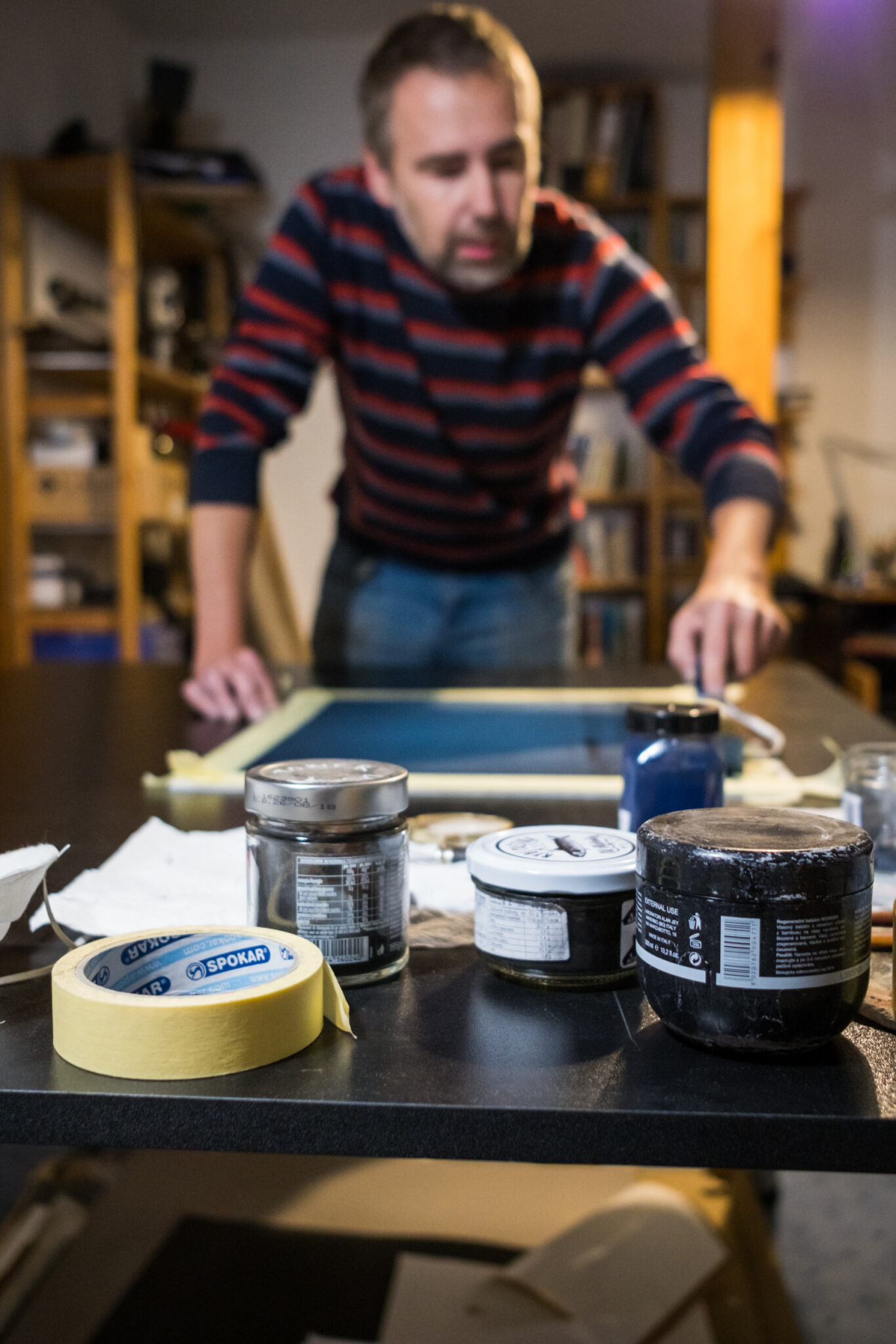
The Expressive World of Resinotype Unlocked
After seven years of relentless testing, countless trials, and many failed attempts, alternative photographer David Heger is ready to share his proven Resinotype blueprint with you.
Resinotype is an alternative photographic technique that produces unique, tactile prints full of depth, grain, and character. It’s an expressive process that feels more like painting than printing—and now, you can master it without the typical trial-and-error.
Included With Your Course Enrollment:
Lifetime Access
Pay once, access forever. Revisit the material anytime, at your own pace.
Condensed
17-Minute Course
Stop wasting time. The course is concise but complete, covering every essential step without unnecessary filler. It’s designed for immediate, practical application.
FREE Private Facebook Group
Get direct, expert support from David Heger and a supportive community for questions, troubleshooting, and sharing your results.
7 Years of Expertise Condensed
Avoid the mistakes David made over seven years. Get the precise steps, calculation table, and material list you need from a trusted Resinotype practitioner.
Our Guarantee:
We are confident you will master Resinotype with this course. If you are not completely satisfied, simply contact us within 30 days of purchase for a full, hassle-free refund. Your satisfaction is guaranteed.
Language
English (with english subtitles)
1. Who was the inventer of the Resinotype technique? When it was at the height of its popularity and what happened after that?
2. Basic principle is quite similar as a Rawlin’s Oil print technique, but instead of negative we use positive and instead of oil colours we use powder pigment
3.What paper type is the best for Resinotype? How to size the papet to avoid curl?
4.Which gelatine is best for Resinotype? How to dissolve it correctly and what to add to it. Why bubbles are our enemy and how to reliably avoid them.
5.The most important part of the whole process. How to pour gelatin correctly and in what layer? What all can go wrong?
… and much more